How to Write Best Screenplay l 3 Acts Applied for all movie
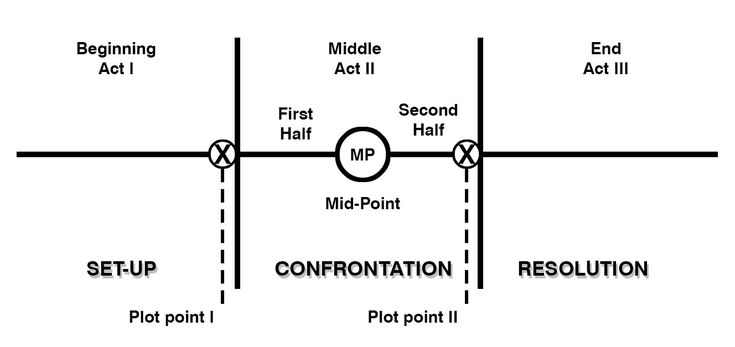
When we talk about movies and TV shows, we usually discuss the cinematography, actors, and direction. But the foundation upon which all this work is built is the screenplay. As a screenwriter, I can confirm that the screenplay is the backbone of any visual work. Let’s take a deeper look at the three main acts that apply to any film, regardless of its genre.

Act 1: The Setup ( pp. 1-30 pages )
In this part, you lay the foundation for the film, introducing the main characters and the world in which the events take place. This act typically starts from page one and continues until around page thirty, equivalent to about 30 minutes of screen time. The primary goal here is to establish the settings and general environment, and introduce the audience to the protagonist and their ordinary life before things change. This includes:
- Introducing Characters: Presenting the protagonist and supporting characters, along with their backgrounds and motivations.
- The Inciting Incident: Introducing the event that changes the protagonist’s life and leads them to a new adventure or puts them in a difficult situation.
- Raising the Main Question: This is the question that the film will try to answer, which keeps the audience engaged with the events.
Act 2: The Confrontation ( pp. 30-90 pages )
This is the longest and most complex part of the screenplay, usually spanning from page thirty to page ninety, equivalent to about an hour of screen time. In this act, the events develop, and conflicts escalate as the protagonist faces increasing challenges. This act includes:
- Developing the Plot: Complicating the story and introducing main points of conflict.
- Obstacles: Placing the protagonist in difficult situations that require them to think and act in new ways.
- The Midpoint: Often a major turning point occurs in the middle of this act that complicates matters further and changes the direction of the story.
- Secondary Climax: The protagonist reaches a point of crisis, facing their toughest challenges, often known as the “life or death” moment or “the point of no return.”
Act 3: The Resolution ( pp. 90-120 pages )
This part spans from page ninety to the end and usually includes the last 30 minutes of the film. In this act, things start moving towards resolution, with the protagonist finding ways to overcome challenges and getting closer to achieving their goal. This act includes:
- The Climax: The final confrontation of the protagonist with the antagonistic forces or the biggest challenge that determines their fate.
- The Resolution: The protagonist overcomes the final obstacles and achieves their goal or learns an important lesson.
- The Denouement: Providing a clear ending that shows the state of the characters after the main conflict has been resolved, giving the audience a sense of closure.
Example: “The Matrix (1999)”
Directors Lana Wachowski | Lilly Wachowski
Let’s take “The Matrix” as an example to illustrate this three-act structure of screenplay :
Act 1:
- The Setup: Neo is introduced as an ordinary person living a dull life as a software company employee. We discover his interest in hacking and the truth behind “The Matrix.”
- The Inciting Incident: Neo meets Morpheus and is offered the choice between the red and blue pills. Neo chooses the red pill and discovers the shocking reality of his world.
Act 2:
- Developing the Plot: Neo begins his training to understand his new abilities and faces challenges within The Matrix.
- Obstacles: Neo encounters the agents, especially Agent Smith, and gradually learns how to manipulate reality within The Matrix.
- The Midpoint: Neo is considered the potential savior but doubts his own abilities.
- Secondary Climax: Morpheus is captured and needs to be rescued from the agents, putting Neo and his team in extreme danger.
Act 3:
- The Climax: Neo enters The Matrix to save Morpheus and faces Agent Smith in a decisive battle.
- The Resolution: Neo discovers his true powers and defeats Agent Smith, affirming his role as the savior.
- The Denouement: Neo returns to the real world with his team, determined to free more humans from The Matrix’s control.
Explore Syd Field’s screenplay paradigm in our detailed guide. Learn how to structure your script using Field’s influential model to create compelling and successful screenplays.
Screenwriting is a unique blend of art and craft. Syd Field, a legendary figure in the world of screenwriting, has provided a roadmap for countless screenwriters with his screenplay paradigm. Understanding and applying Field’s paradigm can significantly enhance the quality of your script, making it more compelling and structured. This article will delve into the intricacies of Syd Field’s screenplay paradigm, offering a step-by-step guide to mastering it.
you can explore more articles in my website , click here